
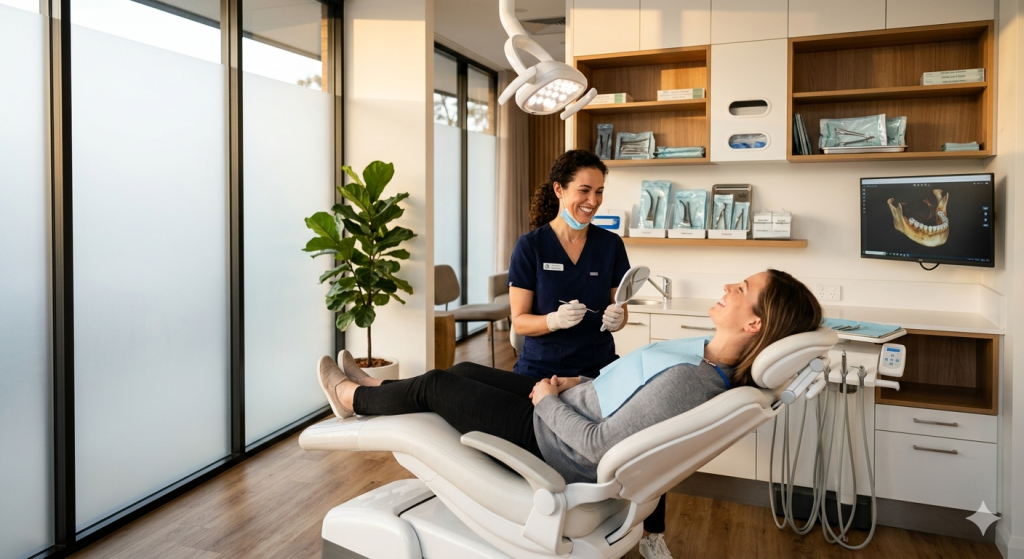
Sleep apnea can disrupt sleep and affect overall health, but effective treatment options are available in Lithia, FL. Many patients find relief through customized dental devices and modern therapies that are both comfortable and easy to use. These treatments help keep airways open during sleep, reducing interruptions and improving rest.
Local specialists focus on personalized care to fit each person’s needs, ensuring patient comfort throughout the process. They use advanced technology and a gentle approach, making it simpler to manage sleep apnea without major lifestyle changes.
If someone suspects sleep apnea, consulting with a trusted provider in Lithia can lead to clearer answers and tailored solutions. Taking that step can improve sleep quality and overall well-being.
Understanding Sleep Apnea
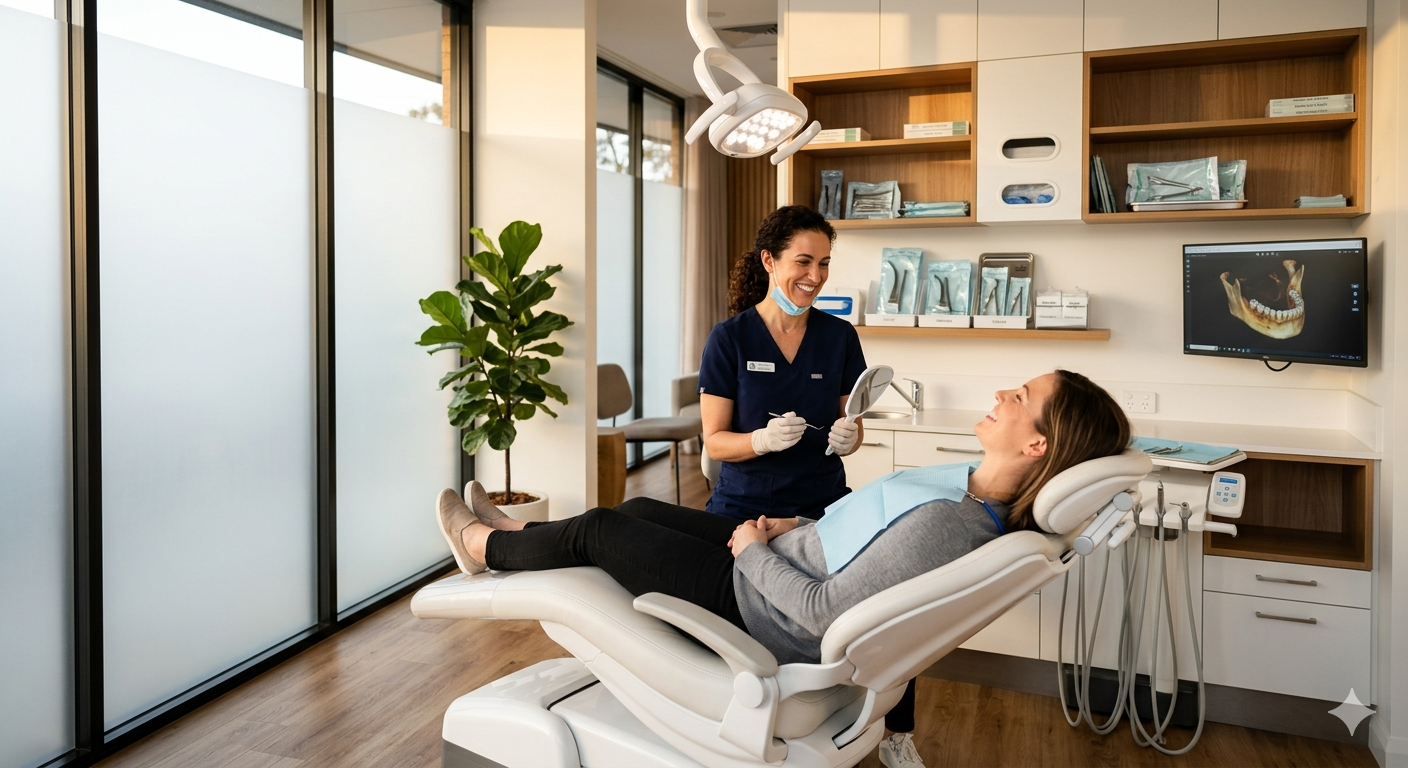
Sleep apnea disrupts normal breathing during sleep, affecting overall health and daily energy. Identifying causes, recognizing warning signs, and understanding potential health risks are crucial to managing this condition effectively.
What Causes Sleep Apnea
Sleep apnea happens when airflow is partially or completely blocked during sleep. The most common type, obstructive sleep apnea (OSA), is caused by the relaxation of throat muscles, narrowing the airway. Factors like excess weight, enlarged tonsils, or a naturally narrow airway can worsen this.
Central sleep apnea, less common, involves the brain failing to send signals to breathe. Age, heart problems, or neurological conditions often contribute to this form. Lifestyle choices such as smoking and alcohol use can also increase risk by affecting airway muscles and swelling.
Common Warning Signs
People with sleep apnea often experience loud, persistent snoring, sometimes accompanied by choking or gasping moments. These breathing interruptions may cause frequent awakenings, though the person might not fully realize it.
Daytime symptoms include excessive tiredness, difficulty concentrating, and morning headaches. Loved ones may notice pauses in breathing during sleep or restless movements. Recognizing these signs early can help prompt timely evaluation and treatment.
Health Risks Associated
Untreated sleep apnea can increase the risk of serious complications. High blood pressure and heart disease are common because interrupted breathing stresses the cardiovascular system. Stroke risk also rises due to poor oxygen supply.
Additionally, sleep apnea can worsen diabetes control and contribute to weight gain through disrupted metabolism. Fatigue from poor sleep quality raises the danger of accidents, especially while driving or operating machinery. Addressing sleep apnea helps protect overall health and daily function.
How Dental Professionals Can Help
Dental professionals play a crucial role in identifying and managing sleep apnea. They offer tailored solutions, help patients get proper diagnoses, and work closely with medical doctors for the best care.
Role of Oral Appliances
Dentists often provide oral appliances designed to keep the airway open during sleep. These devices, similar to mouthguards, gently reposition the jaw and tongue to reduce airway blockage. They are custom-made for comfort and effectiveness.
Oral appliances are a popular alternative for patients who find CPAP (continuous positive airway pressure) machines uncomfortable. Many wear them successfully to improve breathing and reduce snoring. Dentists will adjust and monitor the device to ensure it fits well and works as intended.
Sleep Study Referrals
Dental professionals can recognize signs of sleep apnea during regular checkups, such as worn teeth or a small airway. When they suspect sleep apnea, they often refer patients for a sleep study. This test measures breathing patterns and confirms the diagnosis.
Getting a referral from a trusted dentist can be a helpful step toward timely diagnosis. Sleep studies can be done at home or in a clinic, making the process flexible and accessible. Dentists provide support throughout these steps to ease patient concerns.
Collaborative Care with Physicians
Treating sleep apnea successfully often requires teamwork between dentists and physicians. Dentists share information about oral appliance use and patient progress with sleep specialists or primary care doctors.
This collaboration ensures treatments are adjusted based on the patient’s changing needs and any medical conditions. Working together, they create a clearer, more complete approach to managing sleep apnea for better health and comfort.
If you think you have symptoms of sleep apnea, talking to your dental professional can be a good first step toward restful nights and improved daily energy.
Personalized Treatment Solutions
Effective sleep apnea care in Lithia, FL, focuses on tailored approaches that adapt to each patient’s unique needs. Treatments can include devices designed specifically for the individual and practical adjustments to daily habits.
Custom Oral Appliance Therapy
Custom oral appliances are designed to keep the airway open during sleep by repositioning the jaw or tongue. These devices are made from impressions of a patient’s mouth, ensuring a comfortable and secure fit.
Oral appliances are a less invasive alternative to CPAP machines. They are especially helpful for mild to moderate sleep apnea or for patients who struggle with CPAP tolerance. The dentist monitors progress and adjusts the fit to improve effectiveness and comfort.
These devices are easy to wear, portable, and can significantly reduce snoring and apnea events. Regular follow-ups ensure the appliance remains effective, and dental health is maintained.
Lifestyle Recommendations
Lifestyle changes strengthen sleep apnea treatment and improve overall health. Weight management is often emphasized because excess weight can narrow the airway and increase apnea episodes.
Other key recommendations include avoiding alcohol and sedatives before bedtime, as they relax throat muscles and worsen obstruction. Establishing a consistent sleep schedule and sleeping on the side rather than the back can also help reduce symptoms.
Patients may benefit from incorporating regular exercise and quitting smoking, both of which improve respiratory function. These changes work alongside medical treatments to enhance sleep quality and reduce apnea risks.
Modern Options for Lasting Relief
Treating sleep apnea today goes beyond just traditional machines. Newer methods focus on comfort, ease of use, and effective relief tailored to each patient’s lifestyle and needs.
Innovative Technology in Appliance Design
Custom oral appliances have come a long way. These devices gently reposition the jaw and tongue to keep airways open without the bulkiness that older models had.
Many modern designs use lightweight materials that fit snugly and feel almost invisible when worn. Some appliances now incorporate adjustable features, allowing for fine-tuning to maximize comfort and effectiveness. This customization reduces irritation and makes them easier to wear throughout the night.
Patients who struggle with CPAP masks often find these appliances a welcome alternative. Plus, they’re portable and quieter, great for travel or daily use.
Advancements Beyond CPAP
While CPAP remains common, newer treatments are changing the way doctors approach sleep apnea. For example, hypoglossal nerve stimulation uses a small implanted device to control throat muscles, preventing airway collapse during sleep.
Other options include positional therapy that trains patients to sleep in positions less likely to cause blockages. Additionally, some clinics offer combination therapies, mixing lifestyle changes with medical devices for better results.
These advancements aim to reduce discomfort, increase adherence, and improve sleep quality without compromising daily life. For many in Lithia, FL, exploring these alternatives can offer a fresh start in managing sleep apnea effectively.
What to Expect During Your Visit
When visiting a sleep apnea specialist in Lithia, FL, patients will go through a carefully structured process designed to identify the condition and begin effective treatment. From diagnosis to appliance fitting, each step focuses on comfort and clear communication.
Initial Assessment and Diagnosis
The visit begins with a detailed review of the patient’s medical history and sleep patterns. The provider will ask about symptoms such as snoring, daytime fatigue, or pauses in breathing during sleep.
Next, a physical exam checks the airway, throat, and jaw alignment to look for any physical factors contributing to sleep apnea.
Many offices offer or recommend a home sleep study to gather data on breathing interruptions and oxygen levels overnight. This test is non-invasive and provides valuable insight without the need for an overnight stay.
Based on results, the provider discusses diagnosis and treatment options, making sure the patient fully understands the condition and next steps.
Getting Fitted for an Oral Appliance
If oral appliance therapy is recommended, the process starts with impressions of the patient’s teeth. These molds ensure the device fits snugly and comfortably.
The custom appliance is designed to gently reposition the lower jaw forward to keep the airway open during sleep. The fitting appointment includes adjustments to protect teeth and jaw joints.
The provider will explain how to insert, remove, and clean the appliance properly. Follow-up visits are scheduled to monitor effectiveness and make any necessary tweaks.
Patients are encouraged to share feedback about comfort and sleep quality, helping the provider customize treatment for the best results.
Ongoing Care and Support
Managing sleep apnea doesn’t stop once treatment begins. Regular monitoring and adjustments are essential to keep therapy effective and comfortable.
Tracking Your Progress
Patients in Lithia, FL, are encouraged to keep a close eye on how they feel during treatment. Signs like improved energy levels, fewer awakenings at night, and less daytime sleepiness show progress. Many clinics suggest keeping a simple sleep diary or using devices that record sleep patterns remotely.
Tracking can also include follow-up sleep studies to verify how well the treatment controls apnea episodes. This data helps the care team understand what’s working and what might need tweaking.
Adjustments and Follow-Ups
Follow-up visits are crucial to ensure the treatment device fits well and works effectively. For example, if a CPAP machine is used, mask fit and pressure settings may require fine-tuning to enhance comfort and reduce side effects like dry mouth or nasal irritation.
Regular check-ups allow the provider to respond to new symptoms or changes in sleep quality. Some patients may switch to alternative treatments if initial methods aren’t successful. Lithia clinics typically schedule these visits every few months or as needed to support ongoing health.
Healthy Habits for Better Sleep
Good sleep starts with small, consistent changes that help the body and mind wind down. Adjusting daily patterns and making simple tweaks at home can improve sleep quality, especially for those managing sleep apnea.
Daily Routines That Make a Difference
Setting a regular sleep schedule by going to bed and waking up at the same time each day helps regulate the body’s internal clock. Avoiding caffeine and heavy meals at least three hours before bedtime reduces the chance of disrupted sleep.
Physical activity during the day supports better rest at night but should not occur close to bedtime. Creating a relaxing pre-sleep routine, like reading or gentle stretching, signals the body it’s time to rest. Limiting screen time an hour before bed prevents blue light from interfering with melatonin production.
Simple At-Home Tips
Keeping the bedroom cool, dark, and quiet promotes a comfortable environment for sleep. Using blackout curtains and white noise machines can block distractions and improve sleep continuity.
Raising the head slightly with pillows helps reduce airway blockages for people with sleep apnea. Maintaining good nasal hygiene with saline sprays or humidifiers can ease breathing. Lastly, avoiding alcohol before bed is important, as it relaxes throat muscles and worsens apnea symptoms.
Ready to Find Restful Sleep?
People struggling with sleep apnea in Lithia, FL, don’t have to settle for restless nights. Modern treatments offer effective relief while focusing on patient comfort. Whether it’s a mild case or more severe, solutions are tailored to each individual.
Common treatment options include CPAP machines, which keep airways open during sleep, and oral appliances designed by dental experts to gently reposition the jaw. For some, simple lifestyle changes such as weight management or sleeping position adjustments can make a big difference.
Here’s what you can expect when starting treatment:
| Step | What to Know |
|---|---|
| Initial Consultation | A detailed assessment to understand your symptoms and health history. |
| Sleep Study | Tests to determine the severity of sleep apnea. |
| Customized Plan | Choosing the right treatment based on results and preferences. |
| Follow-up Care | Regular check-ins to adjust and optimize treatment as needed. |
Patients often feel relief quickly after beginning therapy. Improved sleep means better energy, mood, and overall health.
It’s okay to have questions or feel unsure at first. Trusted local specialists in Lithia are ready to guide each step with empathy and clear answers. If restless nights are wearing you down, it might be time to explore your options and take a step toward peaceful, restorative sleep.
Frequently Asked Questions
Understanding the signs, diagnosis, and treatment of sleep apnea can feel overwhelming. Clear answers about symptoms, testing methods, and treatment choices help patients make informed decisions.
How do I know if my snoring and daytime fatigue could be sleep apnea?
If loud snoring is paired with frequent pauses in breathing during sleep, it might indicate sleep apnea. Daytime fatigue that doesn’t improve with rest is another key sign.
Other symptoms include morning headaches, difficulty concentrating, and waking up gasping or choking. A healthcare provider can help evaluate these symptoms.
What are my options for getting a sleep study, and can it be done at home?
Sleep studies can be done overnight at a sleep center or with a portable home testing device. Home sleep tests are often more convenient and still provide valuable information.
A sleep specialist will decide which method fits best based on your symptoms and health history.
If I’m diagnosed, what treatment choices are available besides a CPAP machine?
Besides CPAP, treatments include lifestyle changes, positional therapy, and oral appliances. In some cases, surgery might be recommended to remove or reduce airway blockage.
Weight management and avoiding alcohol before bed can also help reduce symptoms.
Can a custom oral appliance from a dentist help, and who is a good candidate for one?
Custom oral appliances are designed to keep the airway open by adjusting the lower jaw or tongue position. They are most effective for mild to moderate sleep apnea.
Patients who cannot tolerate CPAP might find oral devices a comfortable alternative. A dentist trained in sleep medicine can evaluate candidacy.
What does the “4% rule” mean in sleep apnea testing, and why does it matter for diagnosis?
The “4% rule” refers to a drop of 4% or more in blood oxygen levels during breathing pauses. It’s used to confirm the severity of sleep apnea.
Understanding this helps doctors accurately diagnose and tailor treatment plans.
How do I find the right local sleep specialist or clinic, and what should I ask at my first visit?
Look for board-certified sleep specialists with good patient reviews and convenient locations in Lithia, FL. Ask about their experience with different sleep apnea treatments.
Discuss your symptoms in detail and inquire about testing options and insurance coverage. Building a trusting relationship is key to effective care.