
You’ll want fast, reliable care when a tooth cracks, bleeds, or suddenly throbs in Lithia, FL, and this post shows exactly what to do and who can help. Find out how to get immediate, professional dental help in Lithia, what treatments are available, and how quick action can save your tooth and ease pain.
They’ll explain common emergencies, step-by-step actions to take during a crisis, and what to expect during an emergency dental visit so you feel prepared rather than panicked. They’ll also cover how dentists handle anxious patients, options for urgent treatments, and practical tips to prevent future dental emergencies.
Understanding Dental Emergencies
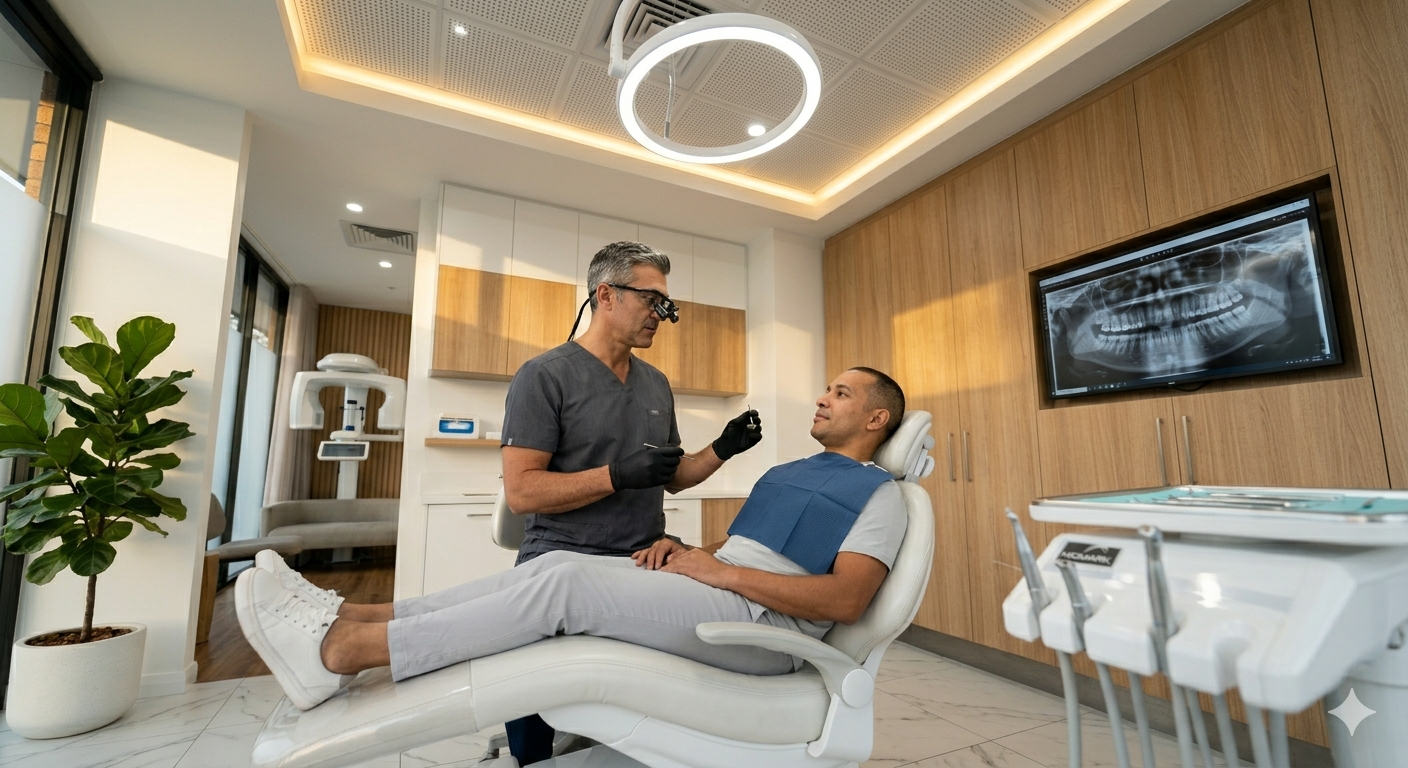
This section explains the most common urgent dental problems, what symptoms demand immediate care, and the reasons delays increase risk. It focuses on clear actions patients in Lithia, FL can expect and why quick treatment changes outcomes.
Common Situations Requiring Immediate Attention
Dental emergencies often include severe tooth pain, knocked-out teeth, broken fillings or crowns, and dental infections that cause swelling. Severe tooth pain that prevents sleep or normal eating usually signals deep decay or an abscess and requires prompt evaluation.
A tooth completely displaced from its socket (avulsed) needs reimplantation within an hour for the best chance of saving it. Store the tooth in milk or saline, avoid scrubbing the root, and see a dentist immediately.
Broken teeth with jagged edges risk soft-tissue cuts and often expose the tooth nerve; temporary smoothing or protective covering followed by definitive restoration is commonly necessary. Heavy bleeding after trauma that won’t stop with pressure also requires urgent care or emergency room attention.
Recognizing Symptoms That Should Not Be Ignored
Intense, persistent pain that radiates to the ear or jaw commonly indicates infection that can spread to surrounding tissues. Fever plus facial or neck swelling suggests a spreading infection and demands same-day care.
Difficulty breathing or swallowing, or rapidly increasing swelling around the throat, constitutes a medical emergency and warrants calling 911. Signs of a dental abscess include throbbing pain, localized swelling, a bad taste or discharge, and sometimes swollen lymph nodes; antibiotics plus drainage or root canal therapy are typical treatments.
Loose teeth in adults without prior periodontal diagnosis, sudden bite changes after trauma, and uncontrollable bleeding are other red flags. Document symptoms, note when they started, and report any medical conditions or medications when contacting the dental office.
Why Timely Care Matters
Delaying treatment for an infected tooth increases risk of spread to jawbone, sinus cavities, or deeper neck spaces, complicating care and recovery. Early intervention often allows tooth-preserving treatments like root canals or crowns instead of extraction.
Prompt treatment also reduces pain, limits swelling, and shortens courses of antibiotics. For traumatic injuries, immediate care preserves tooth structure and lowers the need for complex restorative procedures later.
Quick communication with a local Lithia dentist enables tailored first-aid instructions and faster appointment scheduling. They can advise on pain control, emergency stabilization, and whether a walk-in visit, urgent appointment, or emergency department visit is appropriate.
What To Do In A Dental Crisis
Act quickly, stay calm, and prioritize pain control, bleeding control, and preservation of any tooth fragments or restorations. Contact a local emergency dental office in Lithia, FL, as soon as possible for same-day evaluation and instructions.
First Aid Tips for Tooth Pain and Injury
For sudden tooth pain, rinse the mouth with warm salt water (½ teaspoon salt in 8 ounces of water) to clean the area and reduce irritation. Use over-the-counter ibuprofen for pain and inflammation unless contraindicated; avoid aspirin directly on gums because it can irritate tissue.
If the pain follows trauma, apply a cold pack to the cheek for 10–20 minutes to limit swelling and reduce pain. Keep the head elevated when lying down to minimize throbbing.
Check for loose teeth or lacerations. If a tooth is mobile, bite gently on a clean gauze or cloth to stabilize it and see a dentist immediately. For bleeding, apply firm, continuous pressure with sterile gauze for 10–15 minutes; if bleeding does not slow, seek emergency care.
Guidance for Lost Fillings or Crowns
When a filling or crown falls out, gently clean the tooth with a soft toothbrush and rinse with water. If the tooth is sensitive, cover it with dental cement from a pharmacy or sugar-free gum as a temporary seal; do not use superglue.
Save the crown or filling in a clean container and bring it to the dental visit. Avoid chewing on that side and stick to soft foods and lukewarm liquids until repaired. If the exposed tooth is sharp or causing soft-tissue cuts, cover the edge with dental wax or a piece of gauze to prevent injury.
Call the dentist for an appointment—same-day service is often available for crown re-cementation or a replacement restoration. Delaying treatment can increase sensitivity and risk of infection.
Handling Broken or Knocked-Out Teeth
For a broken tooth, collect any fragments and rinse them with saline or milk; do not scrub. Rinse the mouth with warm water to remove debris and apply a cold pack externally to control swelling.
For a knocked-out permanent tooth, pick it up by the crown (the chewing surface), not the root. If available, gently rinse the tooth with milk or saline; do not scrub or remove tissue fragments. Try to reinsert the tooth into its socket and hold it in place, or store it in milk or a tooth preservation kit (HBSS). If milk is not available, saline or the patient’s saliva (inside the cheek) are acceptable short-term options.
Seek emergency dental care within 30–60 minutes for the best chance of successful reimplantation. Primary (baby) teeth should not be reimplanted; save the tooth and bring the child to the dentist for assessment.
How Emergency Dental Visits Work
Emergency dental visits focus on rapid assessment, immediate pain control, and practical treatment to stabilize the problem. Patients can expect clear communication about diagnosis, options, and follow-up care.
What to Expect During Your Appointment
Reception staff will ask about the injury or pain, current medications, and medical history to flag any allergies or bleeding risks. A trained dental assistant escorts the patient to a treatment room where a clinician performs a focused exam of the mouth, head, and neck within minutes.
The dentist documents the problem, inspects teeth and gums, and checks for swelling or signs of infection. If a tooth is knocked out, they follow time-sensitive steps — rinse the tooth (without scrubbing), attempt replantation if possible, or store it in milk or saline for transport.
The clinician explains options aloud: temporary stabilization (splinting), extraction, root canal, or prescription medications. Staff then outline next steps, estimate costs, and provide written aftercare instructions before discharge or scheduling follow-up treatment.
Diagnostic Tools and Modern Techniques
Digital X-rays (bitewing, periapical, or PANO) provide immediate images that reveal fractures, root problems, and abscesses within minutes. Many clinics use low-dose digital sensors, which reduce radiation and speed up diagnosis compared with film.
Intraoral cameras let the dentist show close-up pictures of cracks, decay, or soft-tissue injuries on a monitor. Transillumination and fiber-optic tools help detect hairline fractures that aren’t visible on X-ray.
Point-of-care tests, such as pulp vitality testing and rapid bacterial assessments, guide decisions about root canal therapy or antibiotics. For complex cases, same-day referral to an oral surgeon or endodontist can be arranged, often with digital records and images sent electronically.
Pain Management and Comfort
Clinicians begin pain control promptly, using local anesthetic injections targeted to the affected tooth or quadrant. For severe pain or anxiety, oral sedatives or nitrous oxide may be offered, depending on medical history.
Nonsteroidal anti-inflammatory drugs (ibuprofen) and acetaminophen are commonly recommended together for better control of dental pain. When infection causes swelling and fever, antibiotics such as amoxicillin or clindamycin are prescribed based on allergy status and local resistance patterns.
Dentists also provide practical comfort measures: cold packs for swelling, instruction on soft-food diets, and short-term temporary crowns or bonding to protect fractured teeth. Staff confirm understanding of aftercare and schedule follow-up to complete definitive treatment.
Available Treatments for Urgent Issues
Patients can expect prompt pain control, infection management, and tooth stabilization using modern techniques and materials. Providers prioritize comfort, quick diagnosis, and choosing the least invasive effective option.
Repairing Fractured Teeth
A minor enamel chip often receives smoothing and a composite resin bonding in a single visit. The dentist matches tooth color and sculpts the resin to restore shape and function, then cures it with a light for durable results.
For deeper fractures involving dentin but not the pulp, a protective liner and a larger composite restoration or onlay may be needed. If the pulp is exposed or symptomatic, a root canal followed by a full-coverage crown secures the tooth and prevents recurring pain or infection.
Emergency splinting stabilizes mobile fractured teeth after trauma. The clinician uses a flexible splint bonded to adjacent teeth for 1–4 weeks depending on injury severity. Follow-up imaging and pulp vitality checks guide further restorative planning.
Treating Severe Infections or Abscesses
When swelling, fever, or severe pain indicate an abscess, immediate antibiotics often begin alongside drainage. The dentist prescribes targeted antibiotics and performs incision and drainage when necessary to reduce pressure and systemic spread.
Definitive infection control frequently requires root canal therapy to remove necrotic pulp tissue and disinfect root canals. The canals receive sealers and temporary or permanent filling; a crown typically follows to restore strength and prevent reinfection.
If infection threatens systemic health or does not respond to outpatient care, referral for intravenous antibiotics or hospital evaluation occurs. Providers also review medical history and medications to choose safe, effective antibiotics and monitor for complications.
Restorative Solutions for Lost Teeth
For an immediate aesthetic fix, a temporary prosthesis such as a flipper or bonded bridge can replace a missing tooth the same day. These options restore appearance and basic chewing while the site heals or treatment planning proceeds.
Longer-term solutions include dental implants, fixed bridges, and removable partial dentures. Implants offer a durable, bone-preserving replacement but require surgical placement and months of healing before the final crown is attached.
Clinicians evaluate bone volume, adjacent tooth condition, and patient medical history to recommend the best option. They discuss timeline, cost, maintenance, and expected outcomes so patients can make an informed decision and return to normal eating and smiling.
Why Prompt Treatment Prevents Further Problems
Prompt care limits damage and lowers infection risk by addressing pain, bleeding, or a knocked-out tooth quickly. Early treatment also preserves more of the natural tooth structure and reduces the need for complex procedures later.
Protecting Long-Term Oral Health
When a deep cavity or cracked tooth receives immediate attention, the dentist can often restore the tooth with a simple filling or crown instead of extraction and implant work later. Treating pulp inflammation or an abscess early usually avoids root canal retreatment or spreading infection that could damage adjacent teeth or bone.
Emergency orthodontic issues, like a displaced bracket or wire, are stabilized fastest with timely intervention, preventing tooth movement that would lengthen orthodontic care. For knocked-out permanent teeth, replantation within an hour greatly increases the chance of saving the tooth and maintaining normal bite alignment.
Prompt treatment also preserves gum health. Cleaning and treating periodontal injuries or acute gum infections early stops pockets from deepening and reduces the likelihood of chronic gum disease, which is linked to tooth loss and systemic health effects.
Reducing Risks of Complications
Addressing dental trauma or severe tooth pain quickly reduces the chance of systemic infection. Untreated dental abscesses can spread to facial spaces or, rarely, enter the bloodstream; early drainage and antibiotics lower those risks dramatically.
Quick management of fractured teeth prevents jagged edges from injuring the tongue or cheeks and reduces swelling that can compromise breathing in severe trauma. For children, immediate care for a damaged primary tooth avoids harm to the developing adult tooth beneath it.
Timely intervention reduces treatment cost and complexity. Short, conservative treatments—temporary dressings, splints, or same-day crowns—often avert multiple future visits, extensive surgery, or long-term prosthetics. Patients who seek care promptly usually experience faster pain relief and better functional outcomes.
Choosing a Trustworthy Emergency Dentist in Lithia
Find a dentist who responds quickly, explains treatment clearly, and accepts your insurance or offers transparent fees. Look for verifiable credentials, clean facilities, and staff who prioritize pain control and follow-up care.
Qualities to Look For in a Dental Practice
Patients should check that the dentist holds active Florida licensure and any relevant emergency certifications, such as ACLS or sedation credentials. Verify membership in professional organizations like the ADA or the Florida Dental Association for added assurance.
Review online patient reviews and ask neighbors or your primary care doctor for recommendations. Focus on recent comments about wait times, pain management, and how staff handle after-hours calls.
Inspect the office for visible cleanliness, current equipment, and clear infection-control signs. Confirm the practice offers same-day appointments, on-site digital X-rays, and access to a specialist or oral surgeon if extraction or root canal is needed.
Confirm payment options: major insurance plans accepted, clear emergency fees, and availability of payment plans or CareCredit. A trustworthy practice gives written estimates and explains alternatives before treatment.
Questions to Ask Before Visiting
Call ahead and ask, “Can you see me today for tooth pain, and how soon?” Note whether staff provide estimated wait times and triage questions to prioritize urgent cases.
Ask what happens if treatment is needed after hours: “Do you offer emergency lines, on-call dentists, or referrals to an after-hours clinic?” Get specific contact methods and typical response times.
Clarify pain-control options: “What local anesthetics, oral medications, or sedation methods do you use for emergencies?” Request information on risks and recovery expectations for each option.
Confirm diagnostic and treatment capabilities: “Do you have digital X-rays, same-visit crowns, or in-house labs?” Also ask about specialist access: “If I need a root canal or surgery, can you refer me immediately?”
Request cost details: “What will the initial exam, X-rays, and a basic extraction or temporary filling cost?” Ask about insurance billing, up-front payment, and available financing to avoid surprises.
Tips to Avoid Future Dental Emergencies
Routine habits and protective measures reduce the chance of sudden pain, broken teeth, and infections. Small investments in care and simple daily choices often prevent urgent visits and more complex treatments later.
Preventive Care and Regular Checkups
They should schedule dental exams every six months to catch decay and gum disease early. During these visits, dentists perform cleanings, digital X-rays, and oral cancer screenings that find problems before they become emergencies.
Patients should maintain daily brushing with a soft-bristled brush for two minutes and floss once a day to remove plaque from between teeth. Using a fluoride toothpaste and an alcohol-free antiseptic rinse can strengthen enamel and lower bacterial load.
Addressing emergency-prone issues quickly matters. Have cavities filled, cracked teeth bonded, and loose restorations replaced promptly. If orthodontic appliances rub or a crown feels high, contact the dentist the same week to prevent chipping or bite-related fractures.
Keep a current list of medications and medical conditions with the dental office. Medications like blood thinners or bisphosphonates change how dentists manage extractions and infections. Being proactive about treatment plans and scheduling reduces the likelihood of acute, avoidable problems.
Mouthguard Use and Healthy Habits
Wear a custom mouthguard for sports and high-impact activities to prevent cracked or knocked-out teeth. An over-the-counter boil-and-bite guard offers some protection, but a dentist-made nightguard provides exact fit and durability for patients who grind teeth. Nighttime bruxism wears enamel and leads to fractures and tooth sensitivity over years.
Avoid using teeth as tools to open bottles, tear packages, or cut thread. These actions cause chips and root fractures that often require root canals or crowns. Cut hard foods like bones and ice into smaller pieces and chew with molars rather than front teeth to lessen force on vulnerable restorations.
Limit sticky and hard candies, and reduce frequent acidic or sugary drinks between meals. When consuming acidic beverages, use a straw and rinse with water afterward to reduce enamel erosion. If a tooth does break, store a knocked-out tooth in milk or saline and seek care immediately — quick action improves chances of saving the tooth.
For any concerns about grinding, sports participation, or persistent sensitivity, they should contact their dental team to arrange a fitting or an evaluation. Scheduling a preventive visit or asking about protective devices keeps small issues from becoming emergencies.
Support for Anxious Patients
Many patients feel nervous about emergency dental visits, and the Lithia team understands that anxiety is real and common. They create a calm environment with friendly staff who explain steps clearly before treatment begins.
Dentists offer several comfort options to reduce fear. Topical numbing gels, local anesthesia, and oral sedatives help control pain and relaxation during procedures.
The practice uses clear, simple explanations and shows instruments when helpful to demystify care. Short, direct explanations before each step reassure patients and build trust.
For those with stronger anxiety, the office provides nitrous oxide (“laughing gas”) and IV sedation. These options allow patients to remain comfortable while the dentist works efficiently on urgent problems.
A brief intake conversation identifies triggers and previous bad experiences so staff can tailor their approach. They encourage patients to bring a trusted companion for support and to schedule extra time for appointments when needed.
Patients receive practical coping tips to use in the chair, such as focused breathing and squeezing a stress ball. Staff remain attentive to signals of discomfort and pause when necessary to explain what’s happening.
They invite patients to ask questions about pain control and sedation during the first phone call or arrival. Contacting the office early helps arrange the most comfortable, effective emergency care.
Aftercare and Next Steps
After an emergency visit, the patient should follow any immediate instructions the dentist gave for pain control and wound care. Over-the-counter pain relief and cold packs usually help in the first 24–48 hours, unless the dentist prescribed medication.
They should avoid hard, sticky, or hot foods that might disturb a repair or clot. Gentle rinsing with warm salt water after 24 hours helps keep the area clean; vigorous spitting should be avoided.
If a tooth was knocked out and reimplanted, the patient must keep follow-up appointments to monitor healing and prevent infection. Root canal therapy or a protective crown is often scheduled later to strengthen the tooth and reduce sensitivity.
Watch for warning signs such as increasing pain, swelling that worsens, fever, or a bad taste in the mouth; these may indicate infection and require prompt re-evaluation. If any of these occur, contact the dental office immediately or go to urgent care if after hours.
For ongoing care, the dentist will discuss restorative options like crowns, bridges, or implants when appropriate. They will also recommend a preventive plan—regular cleanings, fluoride use, and protective appliances—to reduce future emergencies.
Patients should keep a record of treatments and prescriptions, and ask questions about costs, timelines, and what to expect during recovery. They are encouraged to call the dental office with concerns or to schedule follow-ups to ensure the best long-term outcome.
Staying Informed and Prepared
They should keep contact information for local emergency dental clinics and the nearest urgent care readily available, saved in a phone and written on a fridge. A quick reference list reduces stress when minutes matter.
He or she can assemble a small dental first-aid kit: sterile gauze, over-the-counter pain reliever, a small container for a knocked-out tooth, and fluoride toothpaste. Store it with other household first-aid supplies so it’s easy to grab.
They should learn basic steps for common emergencies: how to handle a knocked-out tooth, control bleeding, and identify signs that require immediate care. Simple actions performed promptly can often improve outcomes.
The practice can offer patient education resources—leaflets, short videos, and FAQs—that explain when to call, what to bring, and insurance or payment options. Reviewing these before an emergency makes decisions less frantic.
Families should review pediatric-specific guidance and medication dosages ahead of time. Children’s emergencies feel bigger; knowing the plan calms both child and caregiver.
Keep a list of questions to ask the dentist during follow-up visits: possible complications, home-care steps, and signs of infection. Clear expectations help patients feel more secure.
They are encouraged to call the dental office with questions and schedule a preventive checkup if any risk factors exist. A quick consultation can often prevent a small problem from becoming an emergency.
Frequently Asked Questions
This section answers practical steps for broken teeth, severe toothaches, home pain relief, infection warning signs, finding care without a regular dentist, and what ERs or urgent care can actually do.
What should I do right away if I break or chip a tooth and I’m in pain?
Rinse the mouth gently with warm water to remove debris. Apply a cold pack to the cheek for 10–15 minutes to reduce swelling.
If a fragment is available, place it in milk or saline and bring it to the dentist; it might be reattached. Take over-the-counter pain relievers (acetaminophen or ibuprofen) per label instructions and avoid chewing on the damaged side.
Call a local emergency dentist in Lithia, FL, for same-day evaluation; they can examine for fractures, perform bonding, place a crown, or extract if necessary. If there is uncontrolled bleeding or signs of jaw fracture (misaligned bite, numbness), seek immediate emergency care.
How can I tell if a toothache is an emergency versus something that can wait until tomorrow?
Severe, constant pain that wakes from sleep or is not relieved by OTC pain meds often requires urgent attention. Pain accompanied by fever, facial swelling, or spreading redness indicates possible infection and should be seen today.
Mild, intermittent sensitivity to cold or sweet that improves with time can usually wait for a next-day dental appointment. If the patient has a weakened immune system or diabetes, treat worsening tooth pain more urgently and contact a dentist promptly.
What can I safely do at home to ease dental pain and swelling until I’m seen?
Rinse with warm salt water (½ teaspoon salt in 8 ounces of warm water) several times a day to clean the area. Use a cold compress against the cheek for 10–15 minutes at a time to reduce swelling and numb pain.
Take recommended doses of ibuprofen or acetaminophen; do not exceed the daily limits and avoid aspirin for children. Avoid hard, chewy, or very hot foods and sleep with the head elevated to limit throbbing.
If I have a tooth infection, what warning signs mean I need urgent care today?
Rapidly increasing facial swelling, difficulty breathing or swallowing, fever above 100.4°F (38°C), or red streaks on the skin are urgent signs and require immediate treatment. Severe, worsening pain and a persistent bad taste or pus drainage from the gum are also red flags.
These symptoms suggest the infection may be spreading beyond the tooth and could need antibiotics, drainage, or emergency extraction. Contact an emergency dental clinic in Lithia, FL, or go to the ER if breathing or swallowing becomes difficult.
What should I do if I have a dental emergency but I don’t have a regular dentist?
Search for “emergency dentist Lithia FL” or call local dental offices to ask about same-day openings and emergency walk-in policies. Many dental practices reserve slots for problems like severe pain, broken teeth, or infections.
If cost or insurance is a concern, ask the clinic about payment plans, sliding-scale fees, or community dental clinics in Hillsborough County that offer urgent dental services. Keep a list of phone numbers and office hours for nearby emergency and after-hours dental providers.
Will an urgent care or emergency room treat a tooth problem, and what will they actually do?
Urgent care clinics and ERs can assess pain, rule out life-threatening issues, and prescribe pain medication or antibiotics. They typically will not perform definitive dental treatments like root canals, crowns, or complex extractions.
The ER or urgent care will stabilize the patient—control infection, manage severe pain, and refer to a dentist for follow-up definitive care. For non-life-threatening dental emergencies in Lithia, calling an emergency dentist usually provides faster, targeted dental treatment.